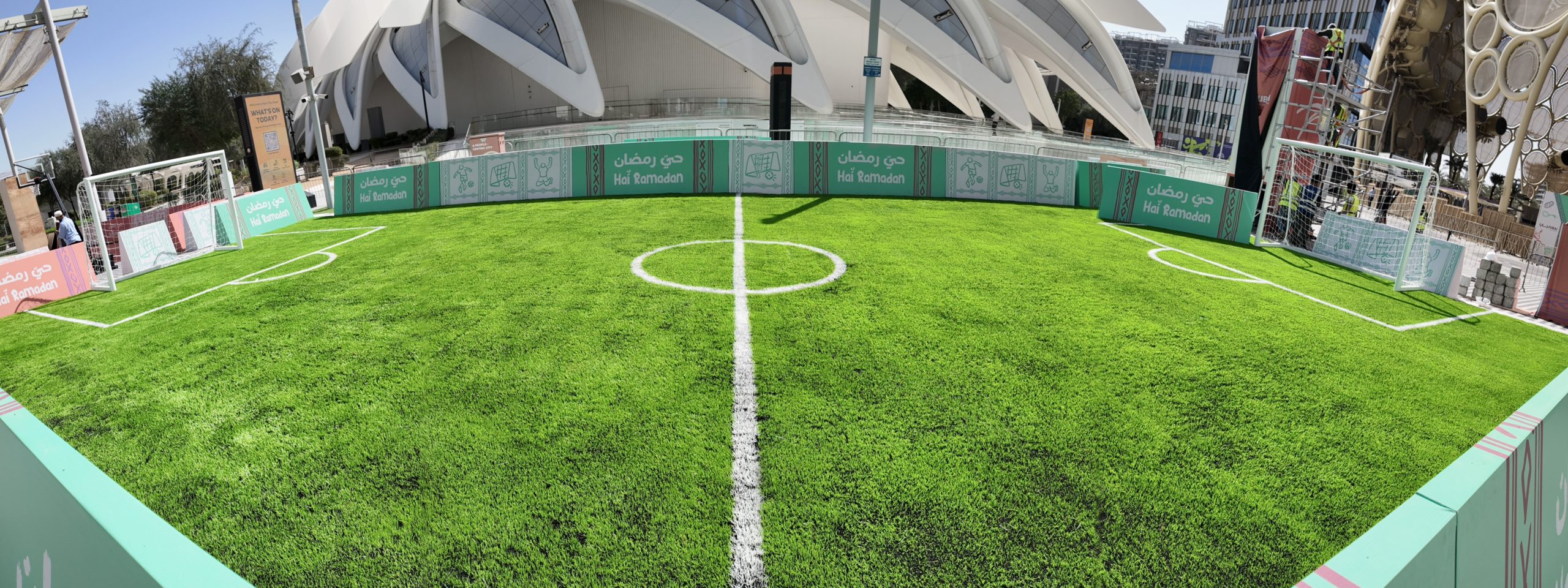
Post-Rain Maintenance for Artificial Turf Football Fields | Complete Guide
Learn why post-rain maintenance is essential for artificial football fields. Improve safety, drainage, performance, and extend turf lifespan with proper care.
Introduction
Rain may seem harmless to artificial football fields, but what happens after the rain is what truly matters.
While modern artificial turf systems are designed with advanced drainage layers, neglecting post-rain maintenance can lead to serious issues from unsafe playing conditions to long-term damage.
In this guide, we break down why post-rain maintenance is critical and how it directly impacts performance, safety, and durability.
1. Prevents Compaction of Infill
Rainwater increases the weight of the infill (rubber and sand), causing it to compact.
Why this matters:
- Reduces shock absorption
- Makes the surface harder
- Increases risk of player injuries
Solution:
Brushing and decompacting the surface restores proper cushioning and playing comfort.
2. Ensures Proper Drainage
Artificial turf systems are built to drain efficiently—but rain can introduce problems.
Common issues:
Dust, debris, and sand clog drainage pores
Water starts pooling on the surface
Solution:
Post-rain cleaning removes blockages and ensures the drainage system functions effectively.
3. Avoids Uneven Playing Surface
Heavy rain can shift infill across the field.
This leads to:
Low spots (water accumulation zones)
High spots (hard, compacted areas)
These inconsistencies affect:
Ball roll accuracy
Player balance and performance
Solution:
Grooming redistributes infill evenly, restoring a consistent playing surface.
4. Reduces Bacteria and Odor Build-Up
Wet conditions combined with organic debris create the perfect environment for bacteria.
Risks include:
Unpleasant odors
Hygiene concerns for players
Solution:
Light cleaning and disinfection after rain keep the surface hygienic and fresh.
5. Protects Turf Fibers
When wet, turf fibers tend to:
Flatten (mat down)
Stick together
This impacts:
Ball behavior
Overall field appearance
Solution:
Brushing lifts the fibers back up, maintaining a natural look and performance.
6. Extends the Lifespan of the Field
Skipping maintenance after rain accelerates wear and tear.
Long-term consequences:
Surface hardening
Drainage failure
Faster turf degradation
Result:
Regular maintenance can extend the lifespan of your field by several years.
7. Improves Player Safety
A wet, compacted, and uneven surface is a safety hazard.
Potential risks:
Slipping accidents
Joint and impact injuries
Solution:
Proper maintenance restores:
Grip
Shock absorption
Surface consistency
Key Takeaway
Rain doesn’t damage artificial turf neglect after rain does.
Consistent post-rain maintenance ensures:
Better performance
Safer gameplay
Longer turf lifespan
Post-Rain Maintenance Checklist (Quick Guide)
Use this simple checklist after every rainfall:
✔ Remove debris (leaves, dirt, sand)
✔ Brush the surface to lift fibers
✔ Decompact infill
✔ Inspect for uneven areas
✔ Check drainage and remove blockages
✔ Light cleaning/disinfection if needed
Conclusion
For facility managers, schools, and sports clubs, post-rain maintenance is not optional it’s essential.
By taking the right steps immediately after rainfall, you protect your investment, enhance player safety, and maintain professional-level performance on your field.